Pruning Tips Every Beginner Gardener Should Know
Entering the world of gardening is truly therapeutic and energising, but also challenging. Pruning is…
Entering the world of gardening is truly therapeutic and energising, but also challenging.
Pruning is among the most crucial abilities you need to acquire as you enter the gardening world, and it is also the one that proves most difficult for novices.
It’s an indispensable gardening habit that maintains plants’ health, promotes fresh development, and accentuates the general appeal of your yard.
What happens if you cut too much? Or too little? Where do you start? To get you going, let’s go over some basic advice every beginner should know.
Understanding the Basics
This process ensures you eliminate unwelcome, diseased, or dead sections of a plant. This calls for cutting down overgrown stems, thinning out packed branches, or eliminating old blossoms.
Pruning aims to enhance the structure and condition of the plant, motivating it to develop in the intended direction and generate more fruit or flowers.
Regular trimming increases air circulation inside the plant and hence lowering the likelihood of fungal infections and diseases. It also lets more light reach the inner sections of the plant, encouraging better development all around.
Though chopping a plant seems illogical, it’s like giving your garden a haircut. Eliminating extraneous elements will help the plant appear and feel its best. It helps control your plants’ size and form so they won’t spread over your yard or grow in unwelcome directions.
Learning some fundamental pruning techniques will set you up for a successful, more colourful, and well-kept yard.
When to Prune?
Timing is everything when it comes to pruning. The type of plant and your objective will determine when to prune. Most plants are best pruned in late winter or early spring, right before fresh development starts.
Nevertheless, not every plant adheres to this guideline. For example, flowering bushes should be clipped right after blossom. Take care, though–pruning too early could unintentionally remove buds that are just about to bloom.
Evergreen trees and shrubs shouldn’t be heavily pruned in late autumn as this encourages new growth that is vulnerable to winter frosts. They should only be lightly pruned throughout the year to preserve their form.
If in doubt, a little research on your particular plant will help you decide how and when to prune.
Essential Tools
Another factor that affects your pruning outcome is having the right tools. Sharp hygienic tools produce exact cuts less likely to harm the plant or cause disease transmission.
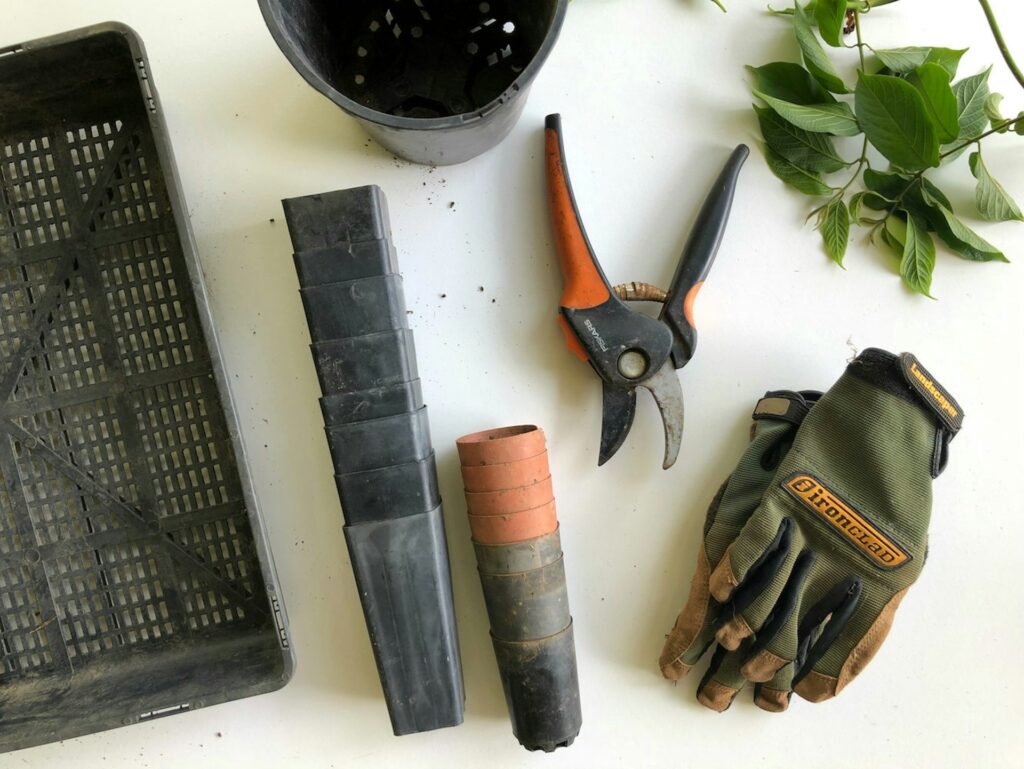
Bypass pruners are your primary tool for most simple pruning jobs. These cut cleanly across stems up to roughly half an inch thick.
Loppers are perfect for shrubs and small trees since they give more leverage and force for thicker branches.
You’ll need a saw for larger branches that are too thick for loppers. Its strong teeth will help you get a neat cut and make it easy to cut through wood. On the other hand, hedge shears are ideal for cutting hedges and shaping softer, smaller plants.
Gardening gloves are also indispensable, especially if you handle prickly plants like roses. They will guard your hands and provide you with an improved tool grip.
Rubbing alcohol or disinfectant wipes are also a good addition to help you clean your instruments between cuttings, therefore preventing the transfer of illnesses from one plant to another.
The Right Techniques
Effective pruning depends on knowing where and how to cut. Start by eliminating any damaged, diseased, or dead sections of the plant. These areas not only seem ugly, but can also be a source of disease capable of spreading to healthy regions of the plant.
Always cut at an angle, roughly a quarter of an inch above an outwardly facing bud. This motivates the plant to open the core, enhancing air circulation and lowering the fungal disease risk.
Steer clear of leaving too much stem above the bud as this can cause dieback, and avoid cutting too near it as this can injure it.
Trimming parts of the older woody stems helps plants such as shrubs or roses get rejuvenated and stimulates fresh, strong growth. Annually removing roughly one-third of the oldest stems helps the plant remain young and healthy.
For hedges or climbers, concentrate on controlling and shaping growth by trimming back long or wild stems to keep the intended form.
Common Mistakes and How to Avoid Them
Pruning at the wrong time is among the most repeated mistakes by beginners. Early season pruning, particularly before the final frost, can damage fresh growth. Always prune at the right time, and if you’re not sure, remember that pruning late is better than early.
Another thing to keep in mind is while it’s natural to be concerned about cutting too much, under-pruning can produce crowded, imbalanced, and poor-performance plants. When needed, be bold in your cuts, especially if you are working with damaged or sick timber.
Another mistake is using dull or unsuitable instruments. This results in jagged wounds, stressing the plant and raising its chances of infection. To guarantee perfect clean cuts, always keep your equipment sharp and clean, and use the appropriate tool for the task.
Finally, pruning without a strategy can result in a disorganised appearance and can damage the plant’s development. Take some time before you begin to evaluate the plant and determine which branches should be kept and which ones should be eliminated.
Aftercare: Supporting Your Plants Post-Pruning
Maintaining your plants later on is just as important as the process itself.
Discarding clipped branches, leaves, and other trash helps your garden stay free from pests and diseases. Correctly dispose of sick materials and avoid composting them since this will transfer issues to other plants.
After pruning, mulching around the base of your plants helps the soil retain moisture, control weeds, and supply vital nutrients. Organic mulch, such as compost or bark chips, will help your plants heal from trimming and start to flourish.
Giving your plants a balanced fertiliser also helps them recover more powerfully. For instance, roses benefit from a feed just after trimming as it prepares them for a season of many blossoms.
Watering regularly guarantees that your newly cut plants receive the moisture they need to flourish, particularly in dry spells.
Conclusion
Although, at first, it seems like an intimidating chore, pruning turns out to be among the most satisfying activities in gardening. Nevertheless, if learning how to prune feels overwhelming for you, don’t neglect your plants, and contact an expert gardener to help you.
Correct pruning not only preserves your plants, but also actively promotes their health, beauty, and yield. Equipped with the correct equipment, methods, and timing, you can prune with confidence, knowing that every cut advances the state of your garden.
So pick your pruners, enter the garden, and savour the process of tending to your plants. Enjoy a healthy and vibrant garden!