The Science Behind a Cosy Home: How Insulation Work
Ever wondered why some homes feel warm and comfortable no matter the weather while others…
Ever wondered why some homes feel warm and comfortable no matter the weather while others are cold and draughty? The secret lies in insulation. It’s one of the most effective ways to improve your home’s comfort, save on energy bills, and reduce your carbon footprint.
We spoke with Michael Zohouri, founder of The Retrofitters, to understand how insulation works, the options available, and why it’s such a game-changer for creating a cosy, energy-efficient home.
What Does Insulation Do?
Insulation acts as a protective barrier, slowing the transfer of heat between the inside and outside of your home. In winter, it keeps warmth indoors where you need it. In summer, it blocks heat from entering, helping your home stay cooler.
Without insulation, your heating and cooling systems must work overtime to maintain comfortable temperatures. This drives up your energy bills and makes it harder to achieve consistent comfort throughout your home.
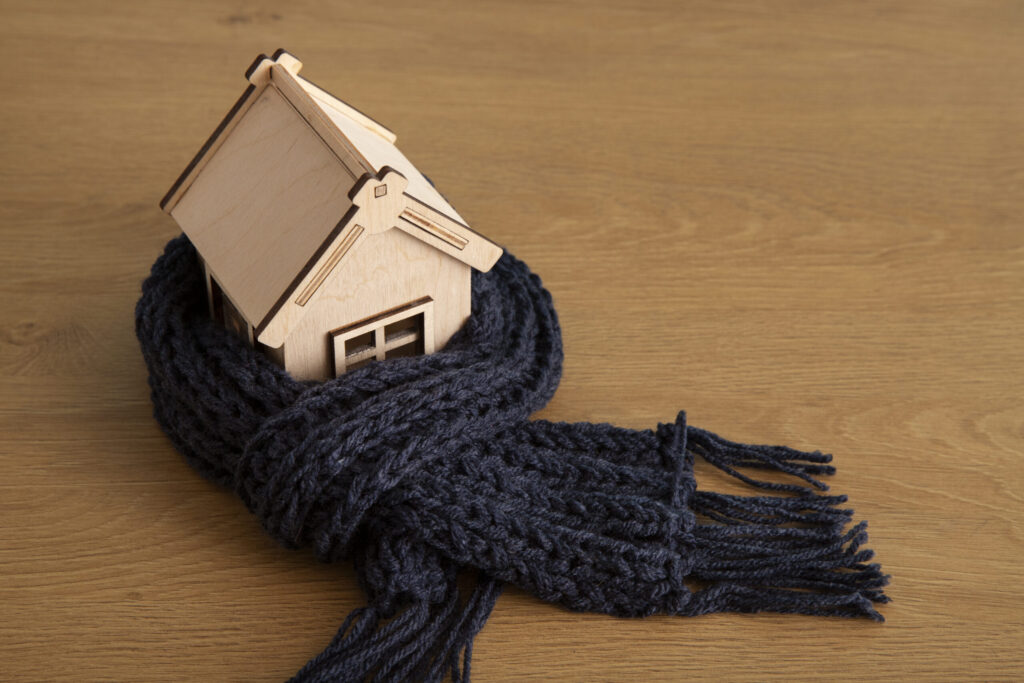
Michael Zohouri, founder of The Retrofitters, explains: “Good insulation is like wrapping your home in a blanket—it keeps the heat where it’s supposed to be, making your home more energy-efficient.”
How Heat Escapes (And How Insulation Stops It)
Heat naturally moves from warmer areas to cooler ones, so in winter, it tries to escape from your home. The reverse happens in summer, with outdoor heat trying to get inside. This heat transfer occurs through various parts of your home:
Walls: Up to 35% of heat loss happens through poorly insulated walls. External or internal insulation can significantly reduce this.
Roofs: Around 25% of heat escapes through an uninsulated roof. Hot air rises, so the roof is one of the most critical areas to insulate.
Floors: Floors account for about 15% of heat loss. Cold air from the ground can seep in, making rooms feel chilly.
Insulation works by trapping air in tiny pockets within its material, creating resistance to heat flow. This slows down heat transfer, keeping your home warmer in winter and cooler in summer.
Types of Insulation and Where They Work Best
To maximise energy efficiency, it’s essential to insulate the areas where heat is most likely to escape. Here’s a closer look at the main types of insulation and their best applications:
Wall Insulation
Walls account for a significant portion of heat loss in most homes. Depending on your wall type, there are different ways to insulate them:
External Wall Insulation:
This involves applying a layer of insulating material to the exterior of your home, which is then covered with a protective render or cladding. This reduces heat loss and gives your home a refreshed, modern appearance. It’s an excellent option for solid wall properties or homes where interior work isn’t practical.
Internal Wall Insulation:
For homes where external insulation isn’t feasible, internal insulation is a great alternative. This involves fixing insulation boards or rolls to the inside of your walls. It’s ideal for properties with period features or planning restrictions that prevent external changes.
Cavity Wall Insulation:
Many homes built after the 1920s have cavity walls — a gap between two layers of brickwork. Filling this gap with insulating material is a quick, cost-effective way to reduce heat loss. Cavity wall insulation is often a top choice for newer properties.
Loft and Roof Insulation
Since heat rises, the roof is one of the biggest culprits for heat loss in a home. Addressing this area can have an immediate impact on your energy efficiency.
Loft Insulation:
Insulating your loft is one of the simplest and most effective upgrades. Materials like mineral wool, sheep wool, or cellulose are popular choices because they are easy to install and provide excellent thermal resistance.
Flat Roofs and Sloping Ceilings:
Homes with flat roofs or sloping ceilings require more robust insulation, such as rigid foam boards. These materials offer better thermal efficiency and fit neatly into the unique spaces often found in these roof types.
Floor Insulation
Floors can be a sneaky source of heat loss, especially in older homes. Proper insulation can make your home warmer and more energy-efficient.
Suspended Floors:
Older homes often have suspended timber floors with gaps underneath that allow cold air to seep in. Adding insulation beneath the floorboards, such as mineral wool or rigid boards, helps prevent draughts and keeps rooms comfortable.
Solid Floors:
For homes with concrete or solid floors, insulating the top layer is the best approach. Rigid insulation boards can be installed under floor coverings, or underfloor heating insulation can be added to improve efficiency and comfort.
The Benefits of a Well-Insulated Home
A properly insulated home offers more than just improved comfort. Here’s why insulation is a must-have for any property:
Lower Energy Bills
Insulation minimises heat loss in winter and prevents heat gain in summer, reducing the need for constant heating or cooling. This translates to lower energy bills, which can save you hundreds of pounds annually.
Enhanced Comfort
Say goodbye to cold spots, draughts, and inconsistent temperatures. Insulation helps maintain an even temperature throughout your home so every room feels as cosy as the last.
Eco-Friendly Living
Using less energy for heating and cooling significantly reduces your home’s carbon footprint, making insulation one of the most impactful steps you can take toward sustainable living. By improving your home’s energy efficiency, you’re contributing to a greener future while also benefiting from reduced energy demand.
Noise Reduction
Insulation doesn’t just keep the heat in — it also keeps unwanted noise out. Materials like mineral wool or cellulose absorb sound, making your home quieter and more peaceful. Whether you’re dealing with traffic noise, noisy neighbours, or the general hustle of daily life, insulation helps create a tranquil living space.
Increased Property Value
Energy-efficient homes are increasingly sought after by buyers and renters. A well-insulated property reduces energy costs and signals that the home has been cared for and updated with modern living in mind. This can make your property stand out in a competitive market and potentially fetch a higher sale or rental price.
Where to Start
Ready to make your home warmer, greener, and more cost-efficient? Start by identifying where your home is losing the most heat. Walls and roofs are often the biggest culprits, so addressing these areas first can have the greatest impact.
Investing in insulation is about future-proofing your home, saving money, and doing your part for the environment. Make this the year you create a warmer, greener, and more comfortable space to call home.
Image Source: Freepik