Beyond the Storm: Hannah Pathak on Urgent Climate Action, Global Collaboration & Systemic Resilience
Hannah Pathak is a leading voice in climate resilience and systems transformation. As a director…
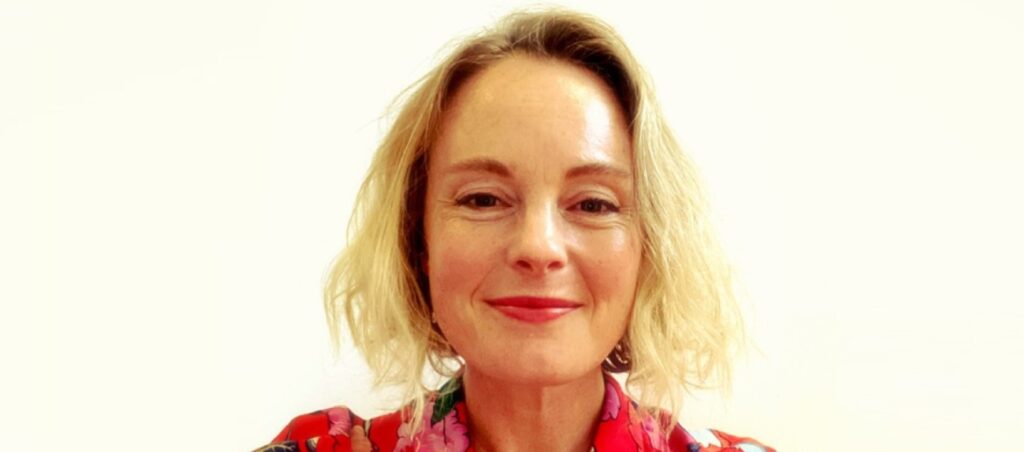
Hannah Pathak is a leading voice in climate resilience and systems transformation. As a director at Forum for the Future and one of the UK’s foremost climate change speakers, she brings deep expertise in humanitarian response, adaptation policy, and cross-sector collaboration.
With extensive experience leading strategic responses to global disasters—such as coordinating humanitarian relief during Hurricane Irma—Hannah now champions bold, systemic action to address the root causes of the climate crisis.
In this exclusive interview with Champions Speakers Agency, Hannah shares why multilateral collaboration is vital, how climate change is reshaping weather disaster response, and what businesses and governments must understand about the human and structural dimensions of sustainability.
Q: Given the complexity and scale of climate change, why is cross-sector collaboration between industries, governments, and civil society essential to driving meaningful progress?
Hannah Pathak: “Yeah, so I think a lot of global problems are too big to be challenged by a single organisation. So that’s why collaboration is really key. And of course, there are lots of different actors, whether that’s governments or private sector or academia or NGOs or the military or civil society organisations.
“And we all are experiencing a lot of these global problems and trying to act on them. But it’s really only by coming together that we’re actually likely to be able to achieve the kind of transformational change that’s needed.
“So something that’s as big and as complex and as multifaceted as climate change that will needs to have this very cohesive global approach to tackling it but will have very localised impacts in a lot of cases it really can only be done through this kind of cohesion and really multilateral collaboration.”
Q: What role do socioeconomic and biological factors play in shaping effective climate resilience strategies—and how should organisations integrate them into their planning?
Hannah Pathak: “Such an interesting one because of course there’s a lot around mitigation that we need to be doing. So we need to be thinking about our carbon emissions, but also other greenhouse gases as well.
“So there’s the physical elements of it. So that’s how do we reduce our reliance on carbon and fossil fuel heavy industries, whether that’s energy or in the housing sector and so on. But also one of the key things that I think comes out over the last few years that’s particularly interesting is one of the ways of building up resilience to climate is through socioeconomic approaches.
“So if you build up people’s literacy ability to access livelihoods and so on, if you increase gender parity then challenging those vulnerabilities itself is a climate response, it’s a climate adaptation response.
“So for example, if a company is wanting to take action on climate change, they absolutely need to be thinking about their carbon footprint, they need to be thinking about their supply chains, but they also need to be thinking about it from the perspective of those kind of human factors. So thinking about what is the resilience that they can be building across their supply chains in their workforces and so on.”
So it kind of requires this multi level thinking that we need to be thinking about physical impacts but also all these socioeconomic factors as well. And I think if you’re thinking about it from a government perspective. There’s policy incentives and again.
“That needs to be about the sort of physical impacts. Preparing for climate change impacts. Thinking about climate adaptation but again. Also thinking about what are the inequalities or vulnerabilities in our society and what are the policy responses that we need to be generating in order to build up the resilience across those areas as well.”
Q: Based on your experience coordinating the response to Hurricane Irma, how does climate change intensify the frequency and impact of extreme weather events—and what does that mean for future preparedness?
Hannah Pathak: “Yes, so it’s really an interesting debate. We call them natural disasters but I think increasingly it’s been called into question whether they are natural disasters or not because what climate does is increases climate change does is it increases the likelihood of more severe, more frequent and more unpredictable weather events.
“And increasingly what we’re seeing is that the weather patterns are shifting places are newly becoming vulnerable to kind of extreme weather impacts. So we really need to be thinking about how those physical elements link to the underlying vulnerabilities in those places.
“So whether it’s low lying, whether it’s unplanned settlements that might be particularly vulnerable to flooding or to high winds, for example, kind of thinking about these factors in connection with each other, because it’s really only by doing that that you can start to build up resilience.
“And so having worked in disaster response, most of your time is actually spent in resilience, in preparedness and in training activities. And really only a tiny amount of your time is spent on actual disaster response.
“So we need to be thinking much more about the preparedness and resilience elements. And of course, disaster response is kind of the acute aspects, and that’s the really acute impacts of climate change.
“So we need to be thinking about it there, but we need to be thinking about it at the strategic level so that’s at the policy level all the way through to how the private sector responds to building resilience, to managing its footprint as well.”
Q: How does the impact and perception of climate change vary between developed and developing nations—and what are the implications for global adaptation strategies?
Hannah Pathak: “So one of the things that’s particularly interesting is that it can be hard still in the developed world to engage people on climate adaptation and the need to build in climate adaptation plans. And that’s because we’re not yet in the developed world, in many countries, seeing the acute impacts of climate change.
“But if you go and have a conversation with a person, perhaps in India or someone, for example, in Jakarta or in a small island developing states, maldives or somewhere in the Caribbean, for example, their awareness of the urgency for the need for climate adaptation is so much further forward because they’re experiencing the impacts much more greatly.
“And in a developed country, arguably, we have more economic infrastructure to support building up that resilience and that preparedness, but also to be able to respond to climate events when they occur. But actually there’s a piece around the awareness levels in developing countries is arguably much higher, but they just don’t necessarily have the economic stability to be able to respond to that kind of awareness with actual preparedness plans.
“So it’s quite different. So the awareness is much higher in one place, but the ability might be lower, whereas the awareness might be much lower in a developed country environment, but the economic ability for the actual inherent capacity to be more resilient is potentially higher.
“What’s really interesting from a private sector perspective in particular, is that they will have supply chains across many levels of developed countries, many levels of whether a place is more or less developed. So they need to be thinking about those elements in planning for their supply chain resilience.
“And it can be tempting sometimes to think about, well, just move my supply chain to somewhere that’s more resilient. But that is kind of quite a siloed approach. And I think one of the key things that we really advocate for and for the future is kind of breaking down those silos. So, yes, you could move your supply chain from Bangladesh.
“That’s very flood plain prone. But actually, if globally we’re going to be seeing a lot of people having to be displaced from Bangladesh, there’s still going to be an impact. So that kind of silo thinking kind of just doesn’t really work in Practise.
“So you need to be thinking across the supply chain. And rather than thinking, I’ll just move it to somewhere that’s more secure for the next ten years, probably won’t be secure for the ten years after that as climate impacts intensify.”
This exclusive interview with Hannah Pathak was conducted by Jack Hayes.