Lubricating Plastic and Rubber Components: Why Material Compatibility Matters
Plastic and rubber components are routinely present across industrial equipment, machinery, vehicles, and everyday mechanical…
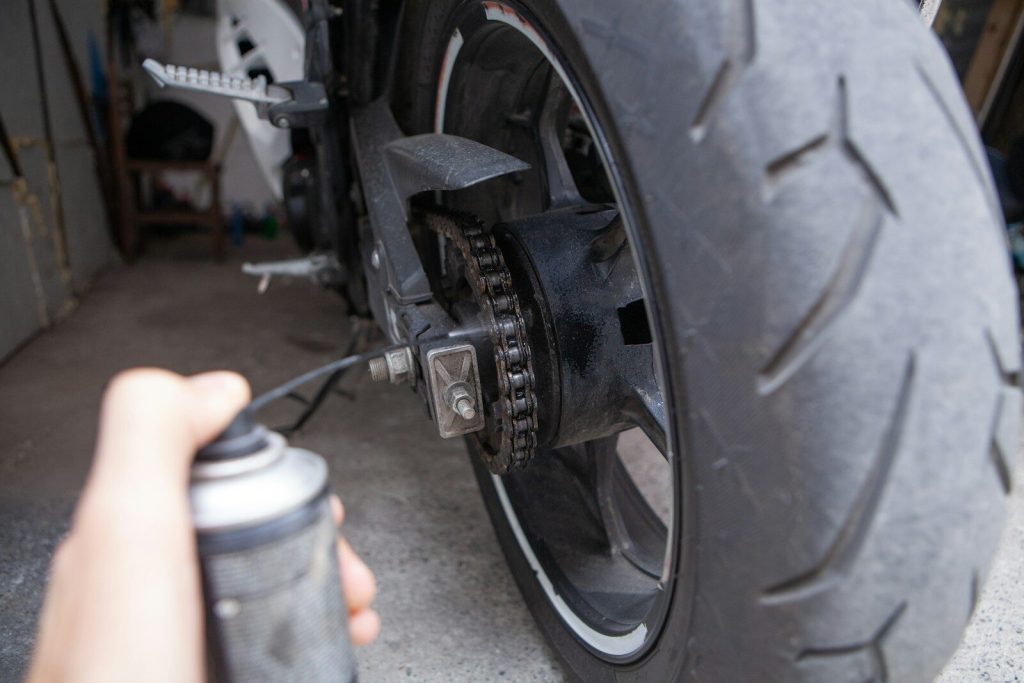
Plastic and rubber components are routinely present across industrial equipment, machinery, vehicles, and everyday mechanical assemblies. However, the right lubricant will need to be used on these parts if smooth operation and long service life are to be ensured. This, in turn, demands careful consideration of a range of factors.
While silicone spray lubricants are often a suitable choice for applications involving plastics and rubber, it must never be presumed that every lubricant is compatible with every material.
Maintenance professionals failing to adequately consider material compatibility can heighten the risk of such undesirable consequences as swelling, cracking, softening, or premature deterioration.
This guide, then, will explore the central role that material compatibility must play in the maintenance of parts like plastic bearings, rubber bushes, or moving mechanical components made from these materials.
It is crucial that maintenance personnel account for the properties of both the lubricant and the material before they settle on a particular product.
On Material Compatibility, Plastics and Rubber Aren’t All the Same
Plastics and elastomers (rubber compounds) don’t react to lubricants in the same way as metals do.
Some conventional mineral oils and petroleum-based lubricants can penetrate certain polymer materials. This may bring about swelling, softening, or changes in mechanical properties. Depending on the given formulation and material, chemical exposure can also contribute to cracking or embrittlement in susceptible plastics.
It is also imperative to understand, however, that rubber and plastic are not single, uniform material types. They encompass various formulations, each exhibiting different physical and chemical properties:
- Some plastics, for instance, are relatively resistant to oils and solvents. Others, though, may become brittle, soften, or develop surface damage when certain chemicals come into contact with them.
- Similarly, considerable variance is also seen across rubber materials. Natural rubber, nitrile rubber (NBR), EPDM, and silicone rubber do not share identical chemical resistance characteristics. This means a lubricant that performs well with one rubber compound might not be a sound choice for use on another.
The Consequences of Using the Wrong Lubricants on Rubber and Plastics
When rubber and plastic components have incompatible lubricants applied to them, multiple problems can result. These may include:
- Swelling. Certain oils and chemicals can penetrate rubber. This can lead to the lubricated rubber component expanding and potentially losing its original dimensions.
- Softening. Some ingredients found in lubricants can impact on the structure of plastics and elastomers, thereby compromising their mechanical strength.
- Cracking. Chemical exposure can be a major factor behind surface deterioration, stress cracking, or brittleness in vulnerable materials.
- Elasticity loss. Rubber parts that have been lubricated with an unsuitable product may lose their ability to compress, flex, or return to their original shape.
- Increased friction. An unsuitable lubricant might also fail to drive down friction as desired. In the event, then, of friction remaining high between moving surfaces, wear could be accelerated, particularly if the lubricant product is not formulated for the component’s operating conditions.
These adverse impacts arising from the use of a poorly chosen lubricant can be especially problematic in seals, gaskets, and other components that rely on precise dimensions and consistent material properties.
Final Thoughts: Making Sure The Right Lubricant Is Used, Every Time
Ultimately, material compatibility cannot be treated as a minor detail as far as the lubrication of rubber and plastic components is concerned. Instead, it is the difference between parts that keep on working smoothly for years and ones that suffer from premature degradation and shortened lifespan.
Maintenance professionals, then, will need to consider such aspects as the component material, operating environment, and lubrication requirements as they seek to determine the most appropriate product.
Where compatibility is uncertain, maintenance teams should consult the lubricant manufacturer’s technical documentation and, particularly for critical applications, undertake compatibility testing before they proceed with widespread use.