Why Steel Buildings Are a Sustainable Choice for the Future of Construction
Sustainability is no longer a buzzword in construction. It’s a fundamental expectation for building responsibly…
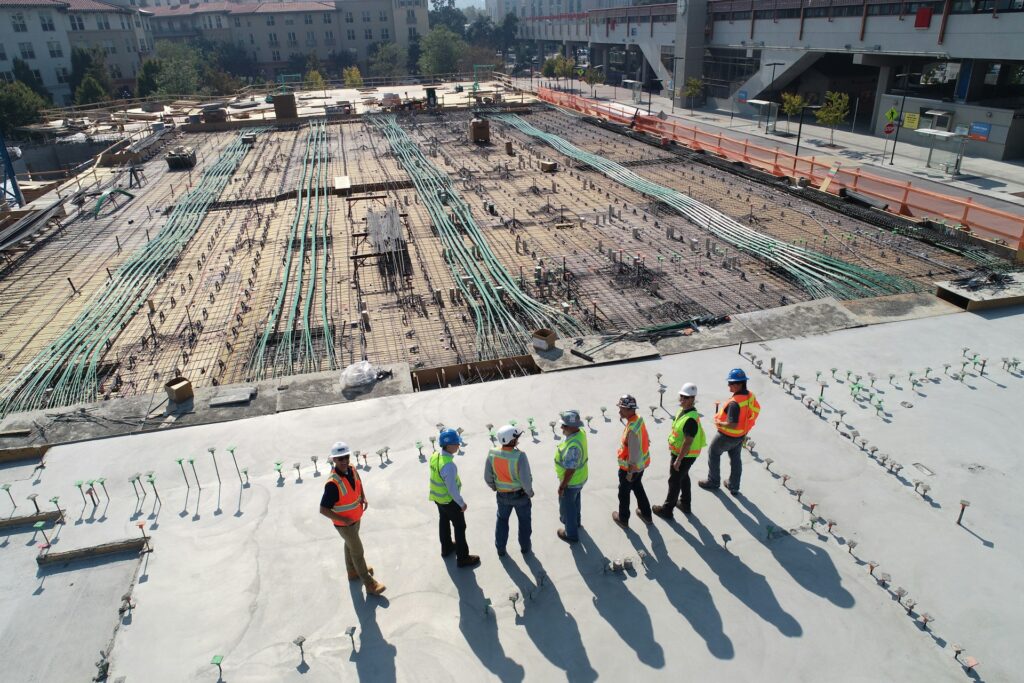
Sustainability is no longer a buzzword in construction. It’s a fundamental expectation for building responsibly and with a long-term view. The demand for eco-friendly construction is rising rapidly, and steel buildings are emerging as a leading solution.
To explore why steel is at the forefront of sustainable construction, we spoke with David Mindham, Founder of Carnegie Steel Buildings. Mindham has led some of the country’s most innovative steel building projects, and his commitment to sustainability is clear. “Sustainability isn’t just an afterthought for us — it’s woven into everything we do,” he says. “From the materials we select to the construction process itself, steel buildings are designed to minimise environmental impact. Steel is built to keep up as the world moves toward greener solutions.”
With that in mind, let’s dive into why steel buildings are a smart choice for today’s needs and a sustainable solution for the future of construction.
1. Durability and Longevity
Steel buildings are a sustainable choice due to their exceptional durability and long lifespan. Wood can suffer from pests and decay, while concrete may crack and degrade over time. In contrast, steel remains strong for decades.
This resilience means fewer repairs and replacements. It saves time and money while reducing the demand for new materials. Even when a steel building reaches the end of its life, many components can be repurposed for future projects. It’s a long-term win for builders and the environment.
2. Recyclability of Steel
One of steel’s standout features is how recyclable it is. Steel is 100% recyclable and can be reused over and over again without losing any of its strength. The International Renewable Energy Agency (IRENA) estimates that 30% of all new steel is made from recycled steel. This drastically reduces the need for mining and helps preserve natural resources. When a steel building reaches the end of its life, the materials can be fully recycled, cutting down on the waste usually generated by demolition.
3. Energy Efficiency
Energy efficiency is a huge plus when it comes to sustainable construction. With the right insulation, steel structures can help minimise thermal loss. The insulation helps to keep the building warmer in winter and cooler in summer while using less energy. That means lower heating and cooling costs and a reduced carbon footprint overall. This makes steel an excellent option for green building certifications like BREEAM, which prioritises energy-efficient design.
Steel also makes it easy to integrate efficient HVAC systems and better ventilation, which boosts the building’s energy performance even more. And steel roofs are ideal for supporting solar panels, making it simple to tap into renewable energy.
4. Lower Carbon Footprint in Production
Advancements in modern steel production have significantly reduced its carbon footprint. Today’s steelmaking techniques require much less energy and produce fewer greenhouse gas emissions than traditional methods. Over the past 50 years, innovations such as the shift from blast furnaces (BFs) to electric arc furnaces (EAFs) have cut energy use in steel production by 60%. These advances are part of a broader movement toward decarbonising the steel industry, aiming for net-zero emissions in the coming decades.
Using recycled steel further reduces the need for raw material extraction, helping to minimise environmental damage. Also, steel buildings are often prefabricated off-site, leading to lower resource consumption and less on-site waste.
5. Reduced Resource Use in Construction
Steel’s high strength-to-weight ratio allows it to achieve the same structural integrity as wood or concrete but with less material. This leads to more efficient designs that use fewer resources while still meeting safety standards. Additionally, the lighter weight of steel results in lighter foundations, which can lower both construction costs and environmental impact.
Prefabrication further enhances resource efficiency. Steel components are manufactured off-site, leading to minimal waste during construction. Unlike concrete, which requires significant water during production and construction, steel uses very little, making it particularly sustainable in water-scarce regions.
6. Adaptability and Future-Proofing
Buildings need to be versatile to remain sustainable, and steel offers adaptability that traditional materials can’t match. Steel structures can be easily modified or expanded, allowing them to grow with a business or adjust to changing needs. This can be done without the need for demolition or rebuilding. As a result, the environmental impact associated with tearing down and constructing new buildings is significantly reduced.
Steel buildings can also be taken apart and moved to new locations, making them highly reusable. This extends the building’s life and reduces waste and the need for new materials.
Why Steel Buildings Are a Sustainable Solution
Steel buildings are one of the most sustainable options in construction today. They provide an excellent choice for builders and developers aiming to reduce their environmental impact. As the industry moves towards greener practices, steel’s role will continue to expand. Its flexibility and ability to adapt to changing needs highlight its value in modern, sustainable construction.