How the EU is leading the way in authentic sustainable food production
Consumer needs are evolving, with sustainability a significant factor in purchasing decisions, despite many individuals…
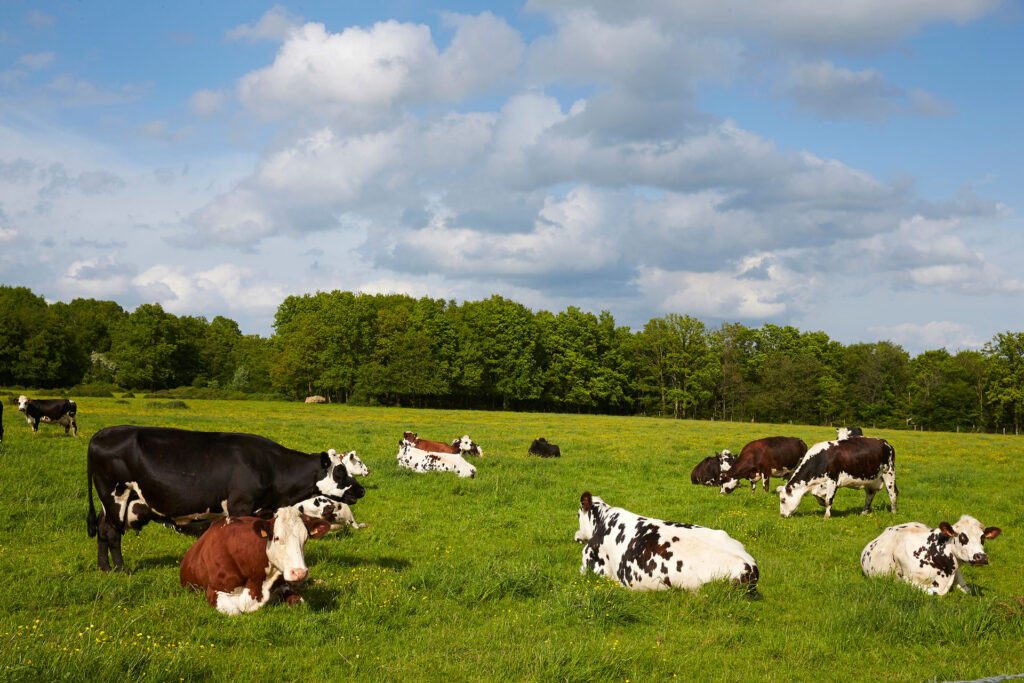
Consumer needs are evolving, with sustainability a significant factor in purchasing decisions, despite many individuals encountering cost-of-living and time constraints.
The effects of climate change are already present. A recent survey indicated that 85% of participants have directly encountered the disruptive impacts of climate change. Among those asked, 32% stated they were selecting alternative foods to mitigate their environmental footprint, and respondents were willing to pay an average of 9.7% more for sustainably produced or sourced products1.
Simon Atkins, a food industry expert and advisor to the EU’s ‘More Than Only Food and Drink’ campaign, explains how the EU is driving forward the sustainability agenda in food and drink production.
The need for action
Simon says: “The need for action is clear and this urgency for sustainable transformation has driven the EU to set bold targets, aiming to be the first climate-neutral continent by 2050. Achieving this ambitious goal requires large-scale changes across all industries, but it is within reach.
“Innovation plays a key role in this transition. From advanced agricultural techniques to cleaner energy solutions, new technologies are driving sustainability forward. This includes a growing focus on organic farming and promoting Geographical Indications (GIs), which support sustainable, high-quality food production while protecting regional specialties.
“Key efforts include reducing food waste by 30% by 2030, smarter resource management, and expanding organic farming practices. The EU is actively supporting both large and small producers, helping them adopt these sustainable practices to meet carbon-neutral goals.
“Europe is already a leader in producing high-quality food, including GI-protected and organic products. By embracing innovation and sustainability, we can continue to uphold these values while securing a greener future for our planet.
A collective approach
“To drive true sustainability, everyone must be involved—from farmers to consumers. A key message from the EU’s Strategic Dialogue on the future of agriculture is that sustainability should be inclusive and accessible to all, ensuring that our food systems work for everyone.
“One of the core principles is making sustainable food affordable for all. Affordability enables broader participation, and when more people can access nutritious, sustainably produced food, we scale up the impact and drive meaningful change.
“A major focus is on reducing food waste, with the EU aiming for a 50% reduction by 2030, compared to 2015 levels. This is critical in creating more resilient and efficient food systems.
“We already see this in action across Europe. For example, French law requires retailers to donate surplus food rather than discard it, and in Germany, discounting food near its expiry date is encouraged to reduce waste.
“The message is clear: sustainability must be a collective effort. It’s about creating a system where everyone, regardless of their circumstances, can engage in sustainable practices. Without broad participation, we won’t reach our sustainability goals quickly enough.
“Ultimately, driving sustainability means making systemic changes that benefit the entire food system—through innovation, inclusivity, and responsible action. Together, we can build a sustainable future for all.
Quality Through Sustainability
“The European Union takes pride in its Protected Designation of Origin (PDO) and Protected Geographical Indication (PGI) quality schemes. These labels are not just marks of authenticity but also guarantee that products meet the highest standards for quality and safety.
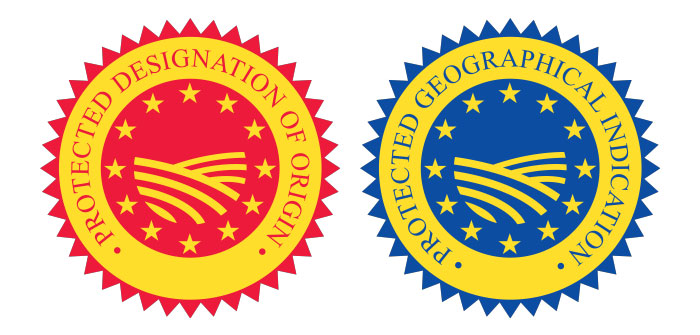
PDO and PGI Labels
“From the perspective of EU agriculture, PDO and PGI labels promote sustainable farming practices and protect the rural economy. There are now 3500 Geographical Indications across the EU, each strongly linked to a specific locale. This connection to local climate and environmental conditions allows products to be grown in their most suitable environment, leading to more efficient cultivation practices that require fewer inputs, such as water, energy, or fertilisers. These designations not only encourage producers to adhere to environmentally friendly methods but also preserve traditional production techniques, which have been refined over generations to make the best use of the natural resources and biodiversity of their regions. By supporting local producers and their time-honoured ways of making food, PDO and PGI labels help maintain jobs and economic activity in rural areas, contributing to their long-term sustainability.
“PDO and PGI labels are more than just markers of quality; they are a testament to the richness of European culinary heritage, supporting not only consumers, professionals and producers but also the broader goals of sustainable agriculture and rural development.
Organic Production
“The EU is making significant strides in sustainable farming practices. More land across the EU is now being managed organically, marking a positive trend toward a greener future.
“We are seeing a growing use of regenerative farming methods, such as cover crops and companion crops. These practices not only improve soil health but also reduce the demand for chemical fertilisers, promoting a more sustainable agricultural ecosystem.
In fact, by 2030 the target is to reduce pesticides and microbials by 50% and reduce fertiliser use by 20% from 2020.
“So far, in the first five years (2018 to 2022), there was an overall decrease of 46% in the use and risk of chemical pesticides from the baseline period of 2015-2017. And in the first five years (2018 to 2022), there was an overall decrease of 25% in the use of more hazardous pesticides from the same baseline period, showing that the target of 50% reduction by 2030 is very achievable.
“The goal is ambitious but achievable: to have 25% of EU agricultural land farmed organically by 2030. This target reflects a strong commitment to sustainability and the health of our environment.
“In Austria already now 25% of the agricultural land is under Organic practice. Germany is even more ambitious, setting its sights on 30% organic farmland by 2030. This leadership in sustainable practices sets a benchmark for other countries to follow.
“These efforts highlight a unified vision for sustainable agriculture across the EU. By increasing organic and regenerative farming practices, we are moving towards a healthier planet and a more sustainable future.
Innovation Drives Sustainability
“Innovative agricultural practices are key to driving sustainability across the European Union. One important tool is Decision Support Systems, which help farmers make informed choices about resource use, crop management, and sustainability.
“Another area of focus is innovative monitoring, reporting, and verification solutions. These technologies enable accurate tracking of emissions, water use, and other environmental impacts, ensuring transparency and accountability in farming practices.
“Technological innovation is also transforming agriculture—from precision farming equipment to digital tools that optimise farm operations, making them more efficient and eco-friendly.
“Lastly, innovative agronomic techniques, such as regenerative farming and cover cropping, enhance soil health, boost biodiversity, and reduce the need for chemical inputs, creating more sustainable agricultural systems.
“Together, these innovations are shaping the future of sustainable farming in the EU.”