Why ESG is not a costly burden and how one CEO says it can drive business growth
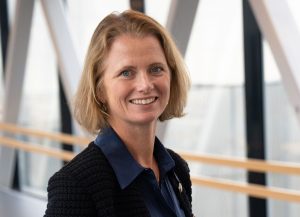
Yuko Nakahata is an ESG strategist, sustainability entrepreneur, and board-level advisor. As Founder and CEO…

Yuko Nakahata is an ESG strategist, sustainability entrepreneur, and board-level advisor. As Founder and CEO of Sustainaseed, she developed a platform that helps organisations move beyond ESG reporting to identify and implement practical sustainability solutions.
Her career spans corporate leadership, entrepreneurship, and international expansion across the Asia-Pacific region. She currently serves as an independent board director for listed companies on the Tokyo Stock Exchange, advising on governance, sustainability integration, and long-term value creation.
In this exclusive interview with the Sustainability Speakers Agency, Yuko Nakahata shares her insights on turning ESG into a strategic advantage, challenging common misconceptions around sustainability, and identifying practical steps companies can take to reduce their environmental impact.
Question 1. What personal insight or market failure led you to identify the gap that ultimately became Sustainaseed?
Yuko Nakahata: “I’m a serial entrepreneur and also a board director at listed companies. I was thinking about what to do next, and for my next step I really wanted to do something for social good. During that time, I was seeing startups working on sustainability-related solutions, and they were really struggling to reach the right people.
“At the same time, I saw that even at board level in listed companies, people were saying they didn’t know what to do about ESG activities. They were issuing reports, but after the report they really struggled to find the right strategy and what actions to take.
“So, I realised there was a huge gap between solution providers and solution seekers. That’s why we started this: creating a database of sustainability solutions and supporting not the reporting itself, but how to take action. This is why we started Sustainaseed.”
Question 2. How can companies move beyond compliance-driven ESG and translate sustainability strategy into long-term competitive and financial value?
Yuko Nakahata: “People often think ESG is just a costly exercise, but I usually say it isn’t.
“Of course, some parts may involve costs depending on what you choose, but if you embed sustainability into the corporate strategy, it can increase corporate value in the mid- to long-term, rather than the short term. Investors, clients and stakeholders are looking closely at what companies are doing, and recently younger generations, including employees, are also paying attention.
“ESG shouldn’t just be seen as a cost; it should be led by how the company grows together with its stakeholders.”
Question 3. What is the most persistent misconception senior leaders still have about ESG, and why does it continue to hold organisations back?
Yuko Nakahata: “Many people think ESG exists only because it is mandatory and required to meet regulations, and that it automatically costs around 20% more.
“Not everybody, but some leaders view it negatively for that reason. It would be better to change that perspective and see ESG as something positive, and to think about how it can be used strategically.”
Question 4. From your experience, what is the most effective first step companies can take to materially reduce their environmental impact without significant capital investment?
Yuko Nakahata: “If we focus on the environmental part of ESG, although ESG also includes other areas, I first recommend reviewing the company’s current situation. Companies need to understand what ESG is and what their environmental impact looks like.
“For example, large organisations have many units, not just one business, so reviewing them one by one is important. Yes, it takes time, but there are definitely cases that relate directly to the environment.
“If you can identify where parts of the business can be made more efficient, that will already improve environmental efficiency. This is not just about taking time; it also benefits the company itself. I recommend starting by understanding your current position and reviewing all your units.”
This exclusive interview with Yuko Nakahata was conducted by Tabish Ali of the Motivational Speakers Agency.