How Landlords Can Embrace Sustainability and Boost Property Appeal
Sustainability is no longer just a buzzword. It is a growing priority for tenants, government…
Sustainability is no longer just a buzzword. It is a growing priority for tenants, government regulators, and the property market as a whole. For landlords, being more environmentally conscious is not only the right thing to do but also a smart business move. Sustainable properties tend to attract better tenants, reduce running costs, and are more future-proof in a changing regulatory landscape.
Tenants are increasingly aware of energy efficiency, waste reduction, and environmental impact. Many renters now actively seek out greener homes. If your property is inefficient or outdated, you may lose out to a competitor who has invested in sustainable upgrades. Invest in comprehensive landlord insurance to further protect your investment and appeal to potential tenants.
Improve Energy Efficiency
One of the most effective ways to make a property more sustainable is by improving its energy efficiency. This starts with the basics. Double-glazed windows, proper insulation, and energy-efficient boilers can all make a noticeable difference in energy usage and tenant comfort.
Smart thermostats are also a good investment. They give tenants more control over their energy use, which helps reduce waste and lower bills. LED lighting throughout the home is another quick win. It is affordable, long-lasting, and uses far less energy than traditional bulbs.
Invest in Renewable Energy Where Possible
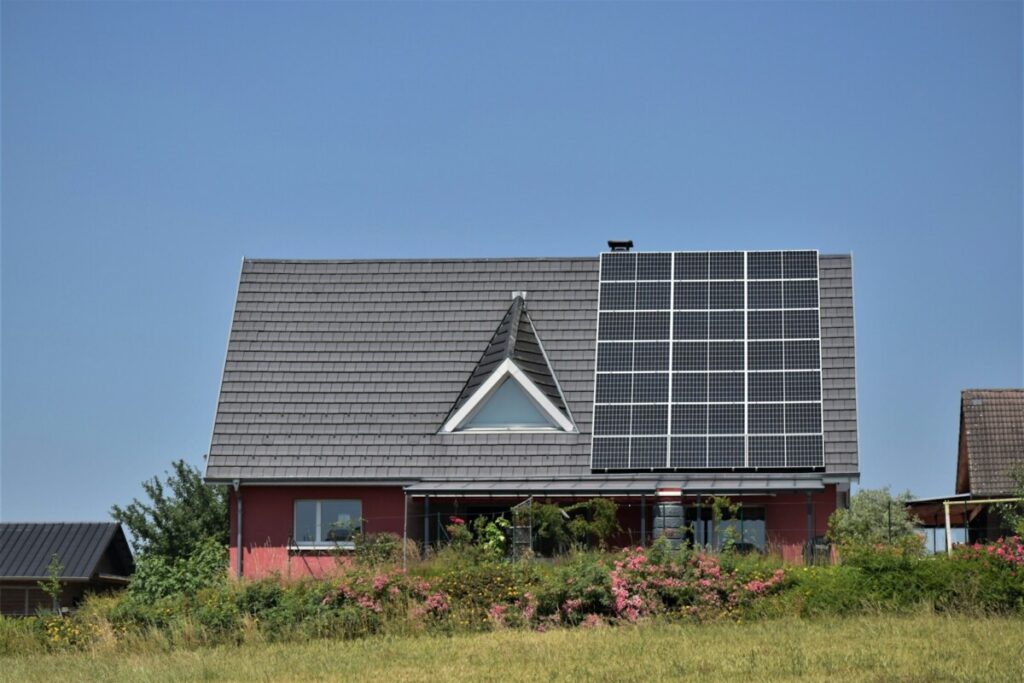
If your property has the right layout or roof space, consider investing in solar panels. While the upfront cost can be significant, the long-term benefits can be substantial. Solar energy reduces the building’s carbon footprint and may even allow tenants to save money on electricity bills.
In some cases, landlords may be able to access grants or funding for installing renewable systems. Check with your local council or government schemes to see what support is available.
Water Conservation Measures
Water waste is often overlooked, but it is a key part of sustainable property management. Fitting low-flow showerheads and dual-flush toilets can reduce water usage significantly without affecting tenant comfort. Tap aerators are another inexpensive way to cut water consumption.
If you manage properties with gardens, installing water butts to collect rainwater for outdoor use is both environmentally friendly and cost-saving. Small changes like these add up over time and demonstrate to tenants that sustainability is taken seriously.
Encourage Responsible Waste Management
Another step landlords can take is to provide the tools and information tenants need to manage waste properly. Make sure there is adequate space for recycling bins and clearly label what goes where. Include a section in your welcome pack explaining local recycling and rubbish collection schedules.
If your tenants are in shared accommodation or HMOs, this becomes even more important. Proper bin management reduces complaints, improves hygiene, and helps the local environment.
Choose Sustainable Materials for Repairs and Upgrades
Whenever you carry out work on your property, try to use sustainable or recycled materials. Flooring made from reclaimed wood, eco-friendly paints, and recycled tiles are just some of the options available today. These materials not only reduce environmental impact but can also add a modern, stylish look that appeals to eco-conscious tenants.
For furniture and appliances in furnished lets, look for items with high energy ratings or that are built to last. Avoid cheap, disposable furnishings. They may cost less upfront but are more likely to end up in landfill after a short period.
Promote Sustainability as a Selling Point
If your property has energy-saving features or green upgrades, make sure you promote them in your listings. Tenants want to know if the home will be affordable to run, comfortable to live in, and environmentally friendly. Mentioning solar panels, smart meters, LED lighting, or insulation improvements can set your listing apart.
You can also go further and include a “green living guide” for new tenants, offering tips on how to reduce bills and environmental impact during their tenancy. Many tenants appreciate this kind of added value and will remember a landlord who supports their values.
Save Money in the Long Run
Many sustainable upgrades come with long-term cost benefits. Energy-efficient boilers require less maintenance and use less fuel. LED lighting lasts much longer than traditional bulbs. Proper insulation reduces the chance of condensation and mould issues, saving you from costly repairs.
While the initial costs can seem high, these investments typically pay for themselves over time, either through reduced operating expenses or improved property value.
Greener Homes Make Better Investments
Sustainability is no longer optional for landlords who want to stay competitive, reduce costs, and attract quality tenants. From energy efficiency to waste management, every action you take contributes to a greener, more valuable rental property. By investing in sustainable practices now, you are not only protecting the planet but also future-proofing your business in an increasingly eco-conscious rental market.